


7-day Holter monitoring test.


CRMPR 26873 RQE's: 18399, 811 and 19314.:
Cardiology
Clinical Arrhythmia
Eletrophysiology
Do you live far away and would like a medical opinion?
Participate in our second medical opinion program.
It's simple, fast, and safe.
What is it?
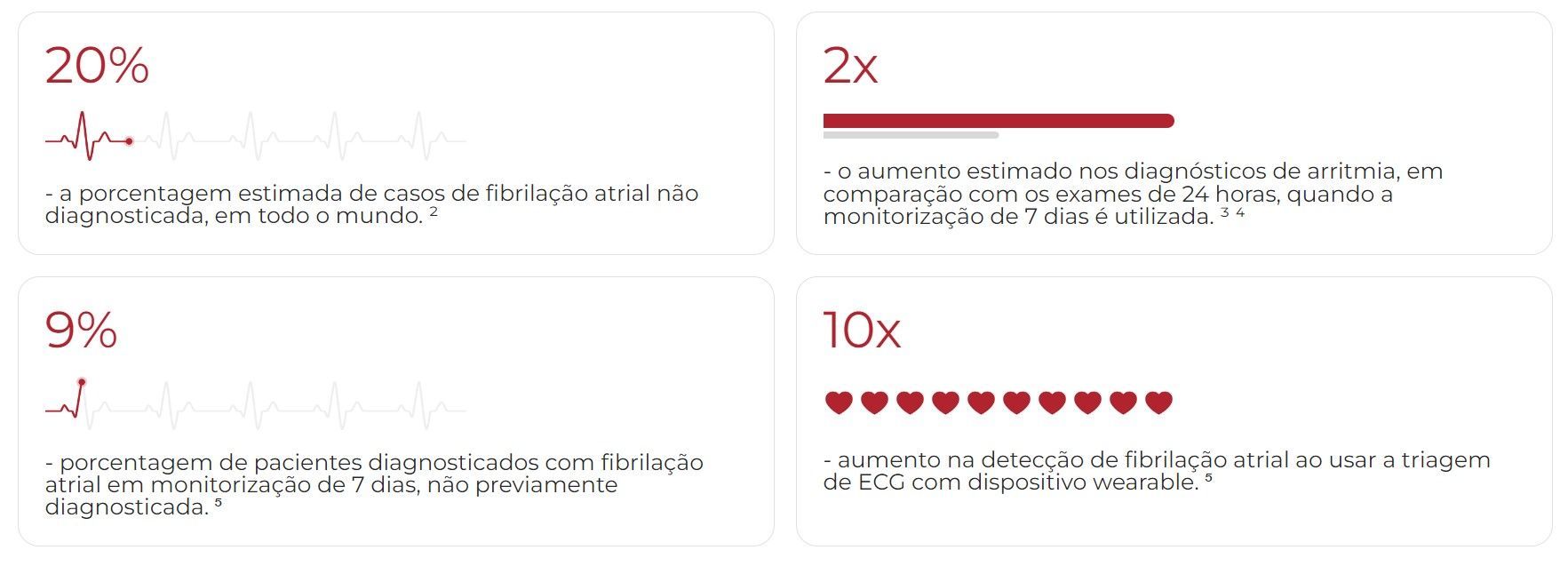
A 7-day Holter monitor is an advanced test that measures the heart's electrical activity over an extended period, typically 7 days, on an outpatient basis. Unlike a resting electrocardiogram, which only records a few heartbeats out of the more than one hundred thousand that occur throughout the day, the 7-day Holter monitor continuously records all these thousands of heartbeats over an entire week, allowing for a more detailed and comprehensive analysis of the heart's behavior during normal daily activities.
This extended monitoring method offers doctors the ability to identify transient heart problems that may not be detected in shorter exams, such as cardiac arrhythmias (abnormal heart rhythms) or cardiac ischemia (decreased blood flow to the heart muscle). In addition, the 7-day Holter monitor is an excellent tool for investigating less frequent symptoms that are not captured in a 24-hour Holter monitor, such as sporadic episodes of palpitations, dizziness, or fainting.
Additionally, the 7-day Holter monitor is extremely useful in investigating atrial fibrillation as a possible cause of stroke of undetermined origin and in evaluating syncope (fainting), providing a more complete and detailed view of the heart rhythm over several days.
How is it done?
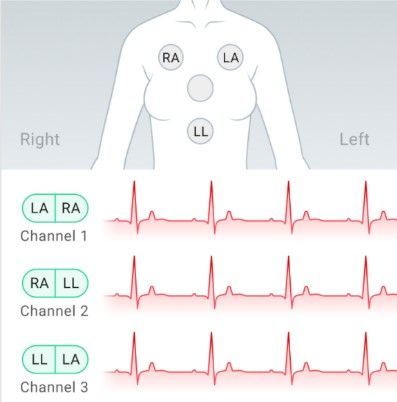
A 7-day Holter ECG is a painless and simple test in which monitoring electrodes are placed on the patient's chest by a technician. These electrodes will capture the electrical signals from your heart and transfer them to a portable recorder. You will be asked to wear this small device for the time prescribed by your doctor.
The recording will later be turned into a report that your doctor will analyze.
Instructions for the day of the exam:
- Fasting is not required for the exam.
- Please come having showered on the day of the exam (be sure to scrub the front of your chest well to remove any oil from the skin). Men may need to shave chest hair (trichotomy). Women should wear a bra to the exam. It is recommended that you wear loose-fitting shirts or blouses during the exam.
- A history of allergies to alcohol or adhesive tape should be considered when applying the electrodes.
- Medications that are taken regularly should not be discontinued.
- Schedule the exam for a day with your usual activities, such as work and driving. Avoid physical exercise during the exam (the specific test to evaluate the electrocardiographic tracing during physical exercise is the stress test).
- Events and symptoms can be recorded by pressing the device's button for 2 seconds or via a mobile app.
- Complete the report via the mobile app, detailing activities and symptoms accurately, always noting the respective times. Symptoms such as palpitations, dizziness, feeling faint, syncope, chest pain, and shortness of breath should be noted (example: palpitations at 2:30 PM during a work meeting).
Doctor Certified by SOBRAC.
8 Frequently Asked Questions About Wolff-Parkinson-White (WPW) Syndrome.
A condition that can cause rapid heartbeat (tachycardia), eventually leading to episodes of dizziness or fainting.
Click for Information

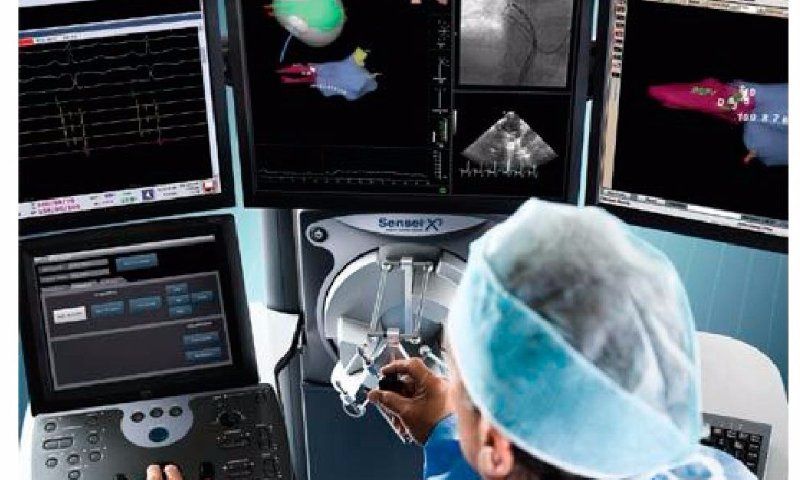
Ablation for Atrial Fibrillation and Other Complex Arrhythmias.
Complex ablations for the treatment of arrhythmias such as Atrial Fibrillation and Scarring Ventricular Tachycardia are being performed in Maringá with the help of new equipment, previously only available in large medical centers in São Paulo and other capital cities.
Click for Information